

Garage door panel thickness selection guide
A importância da espessura do painel da porta da garagem
A espessura do painel da porta da garagem é um fator importante que afeta o desempenho da porta da garagem, a espessura apropriada do painel da porta não só pode garantir a segurança da garagem, mas também garantir a estabilidade, a durabilidade e o desempenho do isolamento térmico da porta, o painel da porta que é muito fino pode ser facilmente danificado por forças externas, e o painel da porta que é muito espesso pode afetar a suavidade do interruptor, é muito importante escolher a espessura certa do painel da porta.
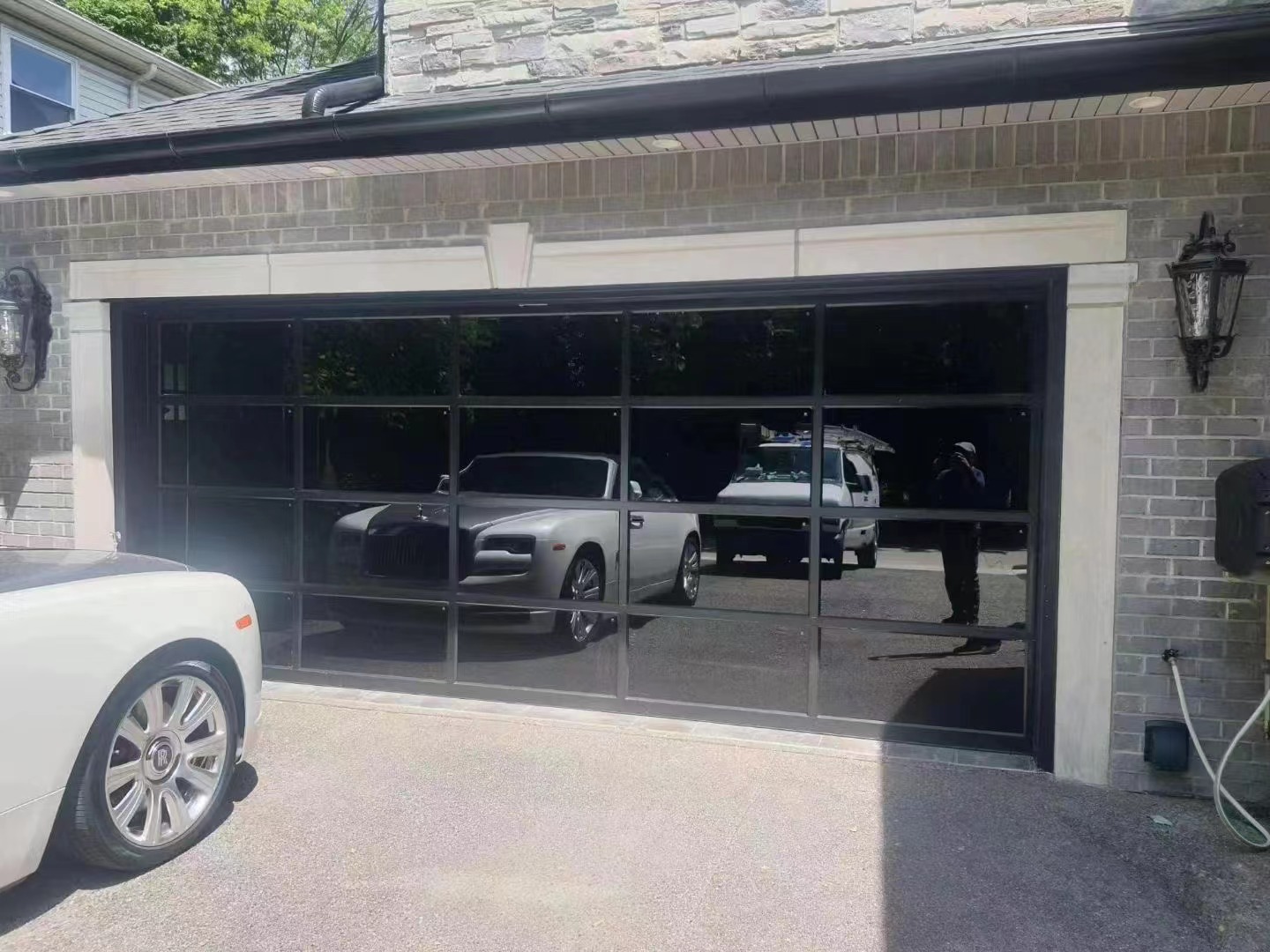
Factors in the selection of the thickness of the garage door panels
1. Material: The material of the garage door directly affects the choice of the thickness of the door panel, the common garage door materials on the market are steel plate, aluminum alloy, solid wood, etc., the thickness requirements of different materials are different, for example, the steel door usually needs a thicker door panel to ensure its strength and durability.
2. Safety requirements: safety is the key factor in choosing the thickness of the garage door panel, if you want the garage to have a higher anti-theft performance, then you should choose a thicker door panel, but also consider the wind pressure resistance of the door, especially in areas with frequent storms, thicker door panels can better resist the wind.
3. Thermal insulation performance: If you want the garage to have better thermal insulation performance, you can choose a slightly thicker door panel, which can better block the temperature difference between indoor and outdoor and improve the comfort of the garage.
4. Aesthetics: The thickness of the door panel will also affect the aesthetics of the garage door, the door panel that is too thick may appear bulky, and the door panel that is too thin may appear light and floating, and the overall aesthetics need to be considered when choosing the thickness of the door panel.
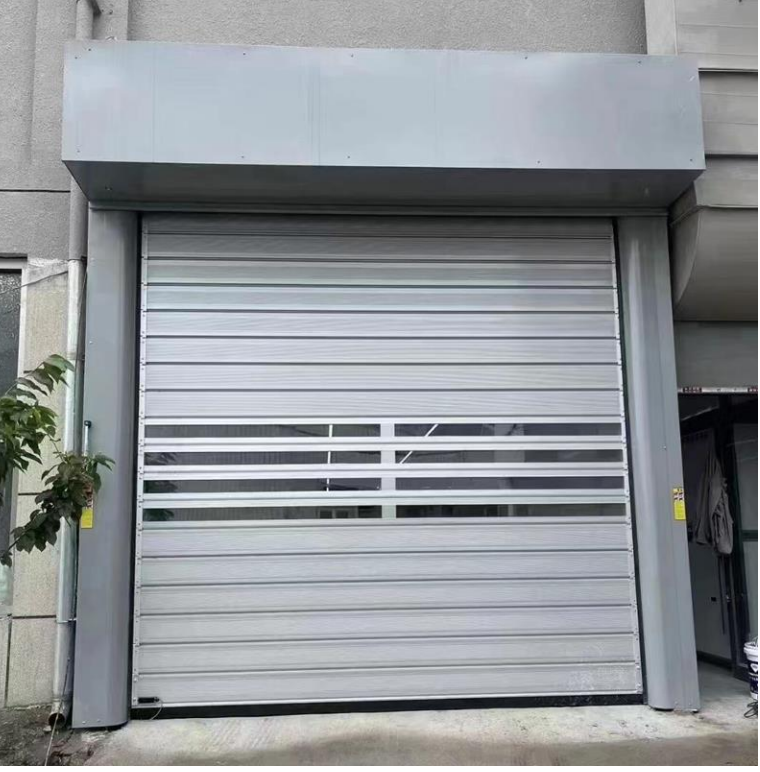
The thickness of the door panel for garage doors of different materials is recommended
1. Steel garage door: The thickness of the door panel of the steel garage door is generally recommended to be above 0.6mm to ensure its strength and durability.
2. Aluminum alloy garage door: The thickness of the door panel of the aluminum alloy garage door is usually more than 1.0mm, which has good wind pressure resistance and anti-theft performance, and the garage door made of aluminum alloy has a light weight and high aesthetics.
3. Solid wood garage door: The thickness of the door panel of the solid wood garage door varies due to different types of wood and technology, and the thickness of the solid wood garage is more common than 3cm, but the maintenance of the solid wood garage door is relatively complex, and it is necessary to consider waterproof and moisture-proof issues.
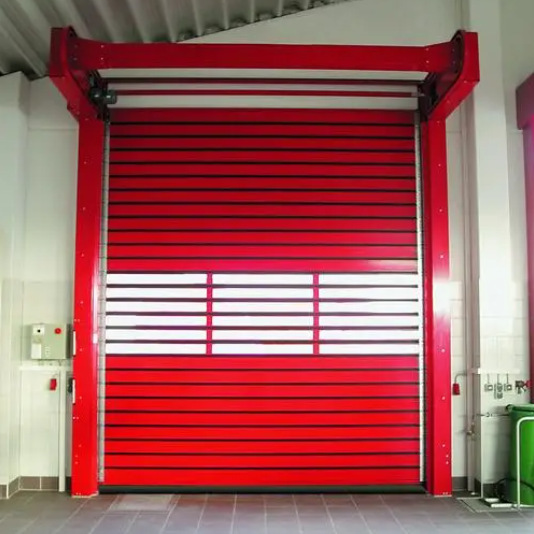
Purchase advice
1. Understand the needs: Before purchasing the garage door, you must first clarify your own needs, such as safety, thermal insulation performance, aesthetics, etc., so as to choose the appropriate thickness of the door panel.
2. Compare products: When choosing garage doors, compare products of different brands and materials to understand the thickness and performance of the door panels of each product.
3. Choose a brand: choose a well-known brand of garage door products, and the quality is more guaranteed.
4. Check the quality: check the quality certificate and inspection report of the product when purchasing to ensure that the purchased product meets the national standards.
5. Tailor-made: Tailor-made garage doors according to the actual situation of the garage to ensure that the size and thickness of the door panel are suitable.
Choosing the right thickness of the garage door panel is crucial to ensure the safety, performance and aesthetics of the garage, when purchasing, it is necessary to consider the factors such as material, safety requirements, thermal insulation performance and aesthetics, and also understand the quality of the product, check the quality and tailor-made, I hope this article can provide a reference for you to buy a garage door, and help you choose a satisfactory garage door.
1. Q: How thick should my garage door panels be for standard home use?
A: For most residential garage doors, panels with a thickness of 1.5 to 2 inches are sufficient. This provides good durability and insulation without being overly heavy. Thinner panels (under 1.5 inches) may be less sturdy, while thicker ones (over 2 inches) are typically for heavy-duty or commercial use.
2. Q: Does a thicker garage door panel mean better insulation?
A: Not always. While thicker panels can improve insulation, the material and internal design (such as foam filling) play a bigger role. A well-insulated 2-inch panel can outperform a poorly insulated thicker one. Look for panels with proper thermal barriers rather than just focusing on thickness.
3. Q: Can I replace just one panel if it’s damaged, or do they all need to match in thickness?
R: Idealmente, todos os painéis devem corresponder na espessura para uma operação suave e aparência consistente. Se um painel estiver danificado, substituí - lo por uma espessura diferente pode causar problemas de alinhamento ou desgaste desigual. Verifique com seu fabricante de portas de garagem para substituições compatíveis.
4. Q: Are thicker garage door panels harder to open and close?
A: Yes, thicker panels are usually heavier, which can put more strain on the door opener and springs. If you choose a thicker door, ensure your opener has enough power (measured in horsepower) to handle the extra weight. A professional can help adjust the spring tension if needed.
5. Q: How do I know if my garage door panels are thick enough for extreme weather?
A: In areas with harsh winters or strong winds, consider panels at least 2 inches thick with reinforced construction. These resist bending under heavy snow or wind pressure. If you’re unsure, consult a garage door specialist to assess your climate and recommend the best thickness.
Produtos recomendados
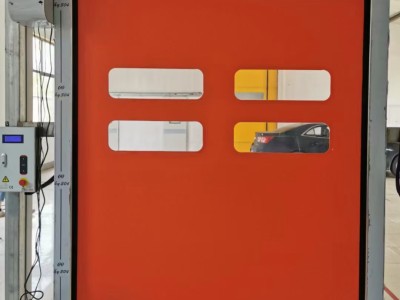


Acessórios para portas automáticas
- Sensor de borda de segurança para proteção anti-esmagamento de porta rolante rápida
- Conjunto de caixa de controle de motor servo de porta de alta velocidade de 0,75KW - Solução de acionamento confiável e eficiente
- Servomotor de 1,5 kW e Combinação de caixa de controle - Sistema de acionamento de alta eficiência para portas industriais
- Zippers de porta industrial e zippers de porta de alta velocidade - Acessórios de porta industrial duráveis
- Sistema de acionamento servo de porta de alta velocidade de 0,75KW - Solução industrial confiável e economizadora de energia
- Ativador do pedal do pé e sensor de barreira de fotocélula de feixe de segurança para portas deslizantes médicas
- Zippers de porta industrial e zippers de porta de alta velocidade - Acessórios de porta industrial duráveis
- Controle remoto de cortina elétrica AOK-AC123 - Design sem fio com painel de cristal acrílico resistente ao desgaste
- Servo motor síncrono de ímã permanente com mecanismo de redução de vermes para porta de alta velocidade
- Servomotor síncrono de precisão para porta de alta velocidade - redução de engrenagem de ver
- Acessórios de porta de rolamento rápido de PVC duráveis para maior segurança
- Reparação automática de trilhos de plástico / polímero de porta de zipper
- Sensor de porta automática inteligente para controle de acesso de rolamento rápido
- Sistema de controle de porta rápida suave 1.5kw Servo motor e caixa de controle
- Controle de Acesso Automático Quadrado Surface Mount Infrared Switch Sem Contato
- Cinturão de aquecimento elétrico autolimitante reforçado à prova de explosão
- Cinturão de aquecimento elétrico de temperatura auto-controlada à prova de explosão
- Cinturão de aquecimento para anticongelante, aquecimento e preservação de calor de portas de armazenamento a frio
- 40W retardador de chama à prova de explosão auto-limitante cinto de aquecimento elétrico
- Sensor de feixe de segurança usado para porta automática
