

Foot Sensor Switch: Applications and Advantages
I. Primary Applications
Medical and Laboratory Environments
Sterile Operations: Surgeons can adjust lights or control instruments without hand contact, minimizing contamination risks.
Automated Equipment: Foot switches activate centrifuges, microscopes, etc., improving workflow efficiency.
Industrial and Manufacturing
Safety Control: Machinery like stamping presses or CNC machines use foot switches to ensure operator safety while keeping hands free.
Assembly Lines: Workers trigger conveyors or tools with foot pedals, enhancing productivity.
Smart Home and Public Facilities
Touchless Control: Foot-operated trash bins, automatic doors, and restroom faucets reduce germ transmission.
Convenient Lighting: Nighttime step-activated lights (e.g., under-bed sensors) for pathways or staircases.
Music and Performance Equipment
Instrument Control: Guitar effect pedals, piano sustain pedals, etc.
Stage Systems: Remote switching for lighting or audio systems.
Accessibility for Disabled Users
Assists individuals with limited hand mobility (e.g., wheelchair controls, appliance switches).
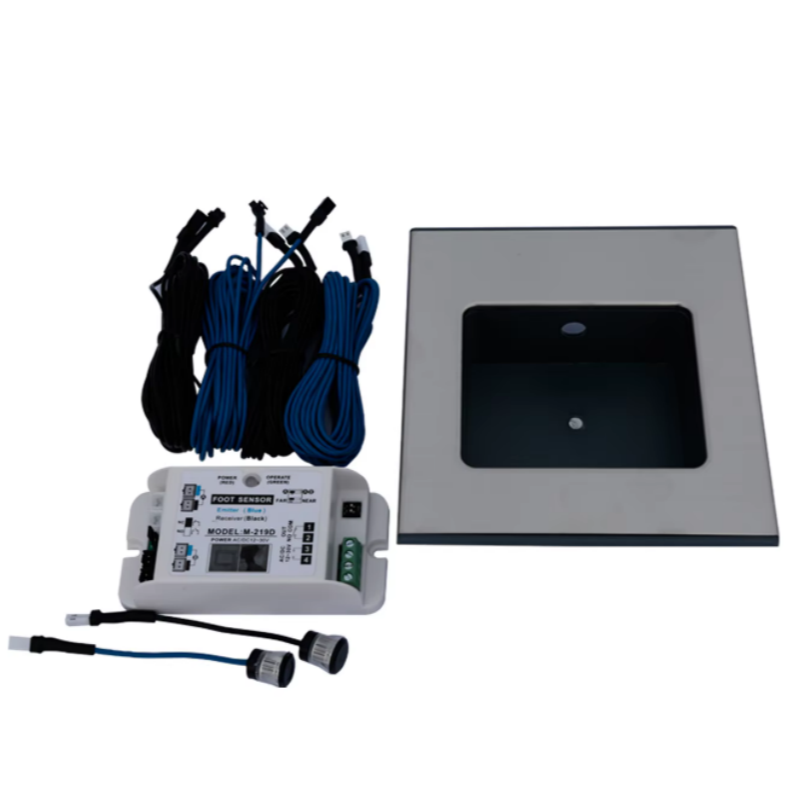
II. Key Advantages
Hygiene and Safety
Eliminates hand contact, reducing cross-contamination (e.g., hospitals, public spaces).
Enhances safety in industrial settings by minimizing hand exposure to hazards.
Efficiency and Convenience
Frees hands for other tasks (e.g., surgeries, production lines).
Rapid response, ideal for frequent on/off operations.
Durability and Adaptability
Often features waterproof/dustproof designs (IP-rated) for harsh environments.
Adjustable sensitivity accommodates varying force requirements.
Energy Efficiency and Smart Integration
Timed shut-off (e.g., delayed lighting) prevents energy waste.
Compatible with IoT systems for automated control.
Cost-Effectiveness and Easy Installation
Simple structure, low maintenance, and typically plug-and-play.
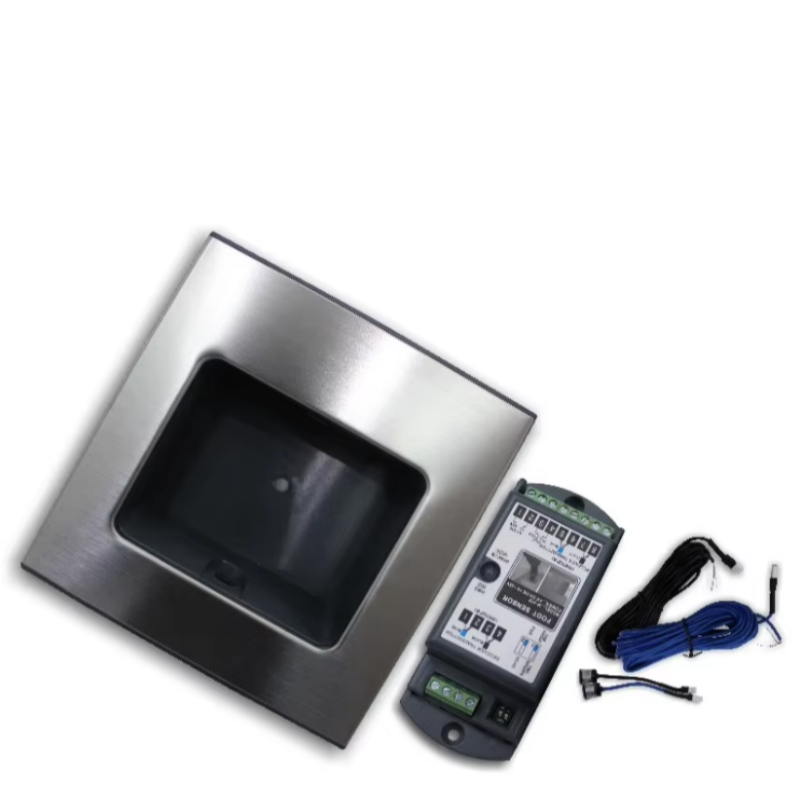
III. Technology Comparison
| Type | Principle | Features | Use Cases |
|---|---|---|---|
| Mechanical | Physical pressure | Durable, low-cost, requires force | Industrial machines, pedals |
| Infrared | IR beam interruption | Contactless, high sensitivity | Public facilities, smart homes |
| Capacitive | Proximity detection | No mechanical wear, fast response | Medical devices, automation |
IV. Considerations
Anti-Misfire: Set appropriate thresholds or delay functions.
Ergonomics: Ensure comfort for prolonged use (e.g., tilt angle, anti-slip surface).
Environmental Suitability: Choose waterproof/explosion-proof models for wet or oily conditions.
Foot sensor switches optimize human-machine interaction, excelling in hygiene, safety, and efficiency. With advancements in smart homes and industrial automation, their applications will continue to expand.
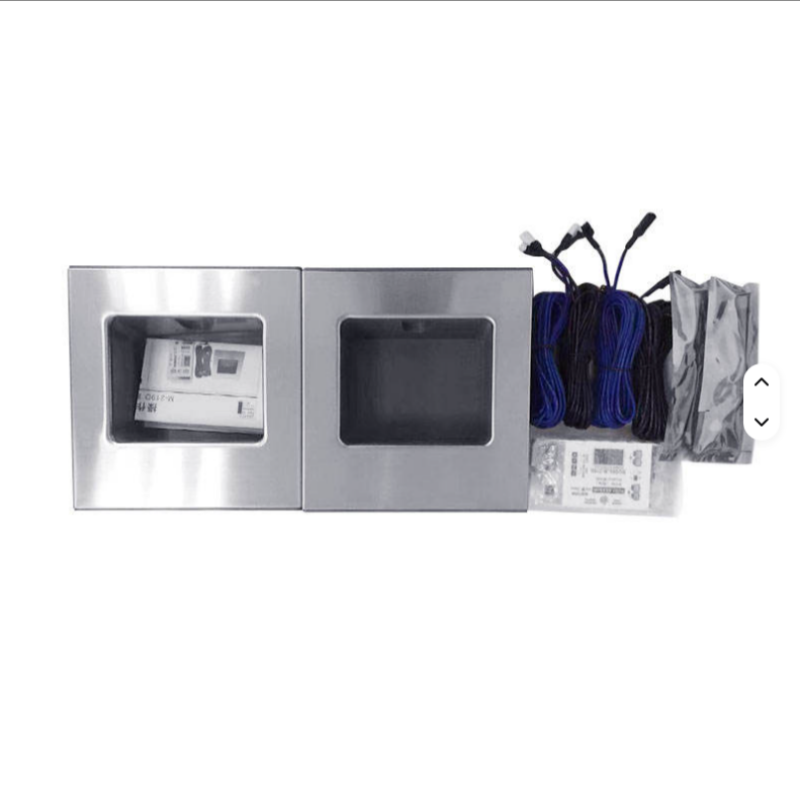
Q1: How does a foot sensor switch improve hygiene in medical settings?
A: In hospitals or labs, foot switches allow doctors to control equipment (e.g., lights, surgical tools) without hand contact, minimizing the risk of contaminating sterile environments. For example, a surgeon can adjust an operating lamp’s position via a foot pedal, eliminating the need to touch non-sterile controls.
Q2: What are the key differences between mechanical and infrared foot switches?
A:
Mechanical switches rely on physical pressure, offering durability and low cost but requiring deliberate foot force. They’re ideal for industrial machines or music pedals.
Infrared switches use motion detection, enabling touchless operation with high sensitivity. However, they may misfire due to environmental interference (e.g., dust). These are common in public restrooms or smart homes.
Q3: Can foot sensor switches be integrated with smart home systems?
A: Yes. Modern capacitive or infrared foot switches can connect to IoT platforms (e.g., via Wi-Fi or Bluetooth), enabling automation like turning on lights when stepping out of bed or activating appliances with a foot tap. Some models even support voice-assistant compatibility (e.g., Alexa, Google Home) for layered control.
Recommended Products
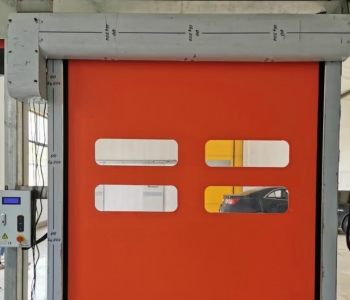


up to dateMozambique Automatic Door Accessories
- Manufacturers Foot Pedal Activator Safety Beam Photocell Barrier Sensor For Medical Sliding Doors
- Safety photoelectric switch for high-speed door sensors
- Durable PVC Fast Rolling Door Fittings for Enhanced Security
- Automatic Repair of Zipper Door Plastic/Polymer Rails
- Smart Automatic Door Sensor for Fast Rolling Access Control
- Soft Fast Gate Control System 1.5kw Servo Motor and Control Box
- Automatic Access Control Square Surface Mount Infrared Non-Contact Switch
- Explosion-Proof Reinforced Self-Limiting Electric Heating Belt
- Explosion-Proof Shielded Self-Controlling Temperature Electric Heating Belt
- Heating Belt for Anti-Freezing, Heating and Heat Preservation of Cold Storage Doors
- 40W flame retardant explosion-proof self-limiting electric heating belt
- High Speed Door Zippers Industrial Door Zippers
- Safety Beam Sensor Use for Automatic Door
- Wireless Hand Sensor Switch For Automatic Door
- Hospital Door Foot Sensor
- Automatic Sliding Door System Wireless Touch Press Switch
- Automatic Sliding Door IP65 Waterprooft Wireless Hand Press Switch
- Automatic Door Microwave Sensor
- Reflective Type Infrared Detector
- Automatic High Speed Door Infrared Radar Sensor CNB-204G
