

Usage scenarios and advantages of wireless touch sensors
I. Core Application Scenarios
Commercial and Public Spaces
Automatic Doors/Access Control Systems: Entrances of shopping malls, office buildings, hospitals, and hotels. A simple wave triggers door opening/closing, replacing traditional buttons or card swiping to improve traffic flow efficiency.
Elevator Buttons/Corridor Lighting: Eliminates hand contact with public buttons, reducing cross-infection risks—ideal for high-traffic areas like hospitals and subway stations.
Medical and Sanitary Environments
Operating Rooms/Wards: Doctors or nurses can control lights, equipment, or doors without touching switches, maintaining sterile conditions.
Restrooms/Cleaning Areas: Sensor-controlled faucets, hand dryers, or trash lids minimize bacterial transmission.
Smart Homes and Offices
Kitchens/Bedrooms: Wave to control range hoods or lights while cooking (avoiding oil-stained buttons) or activate bedroom lights at night without physical contact.
Meeting/Office Areas: Remotely control projectors, curtains, or air conditioners for enhanced operational convenience.
Industrial and Special Environments
Factory Workshops: Workers can operate equipment without touching switches—even with gloves or oily hands—improving safety.
Humid/Dusty Settings: Waterproof and dustproof models (e.g., IPX-rated) are suitable for pools, laboratories, or garages, preventing short circuits in traditional switches.
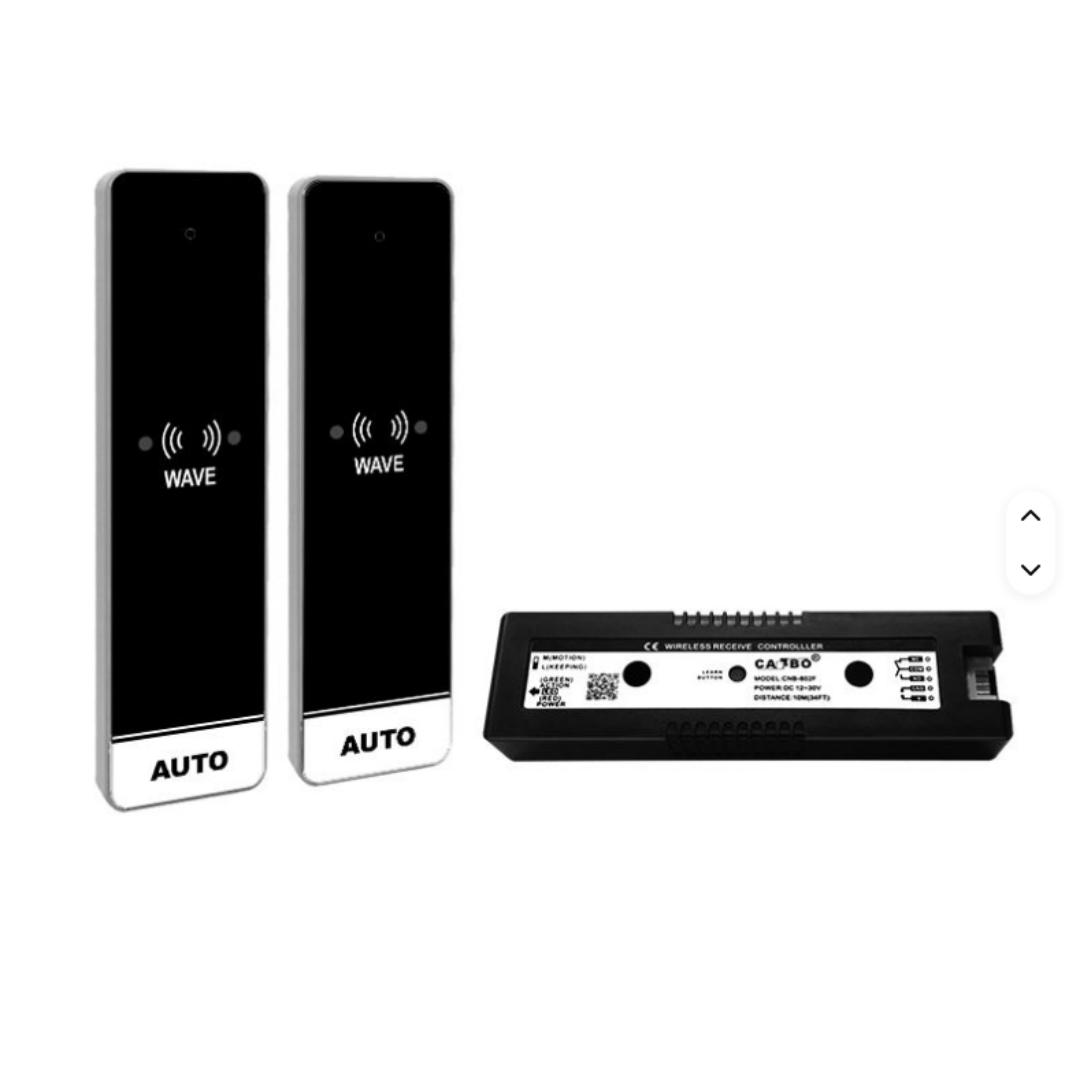
II. Key Advantages
Hygienic and Safe, Reducing Contact Infections
Contactless operation (e.g., wave sensing) eliminates hand-to-surface transmission, lowering cross-infection risks in public spaces, especially amid ongoing pandemic concerns.
Easy Installation, No Wiring Required
Wireless design frees users from traditional wiring constraints, enabling flexible mounting on walls, glass, or equipment surfaces. This saves construction costs, particularly for renovation projects.
Efficient Operation, Enhancing User Experience
High sensitivity (typically <0.5-second response time) and no need for precise pressing make it accessible to the elderly, children, or people with limited mobility, streamlining access and operations.
Durable and Low Maintenance Costs
No physical button wear reduces failure from frequent use, extending lifespan. Some models feature IPX waterproof ratings for resilience in harsh environments.
Smart Integration with Multiple Devices
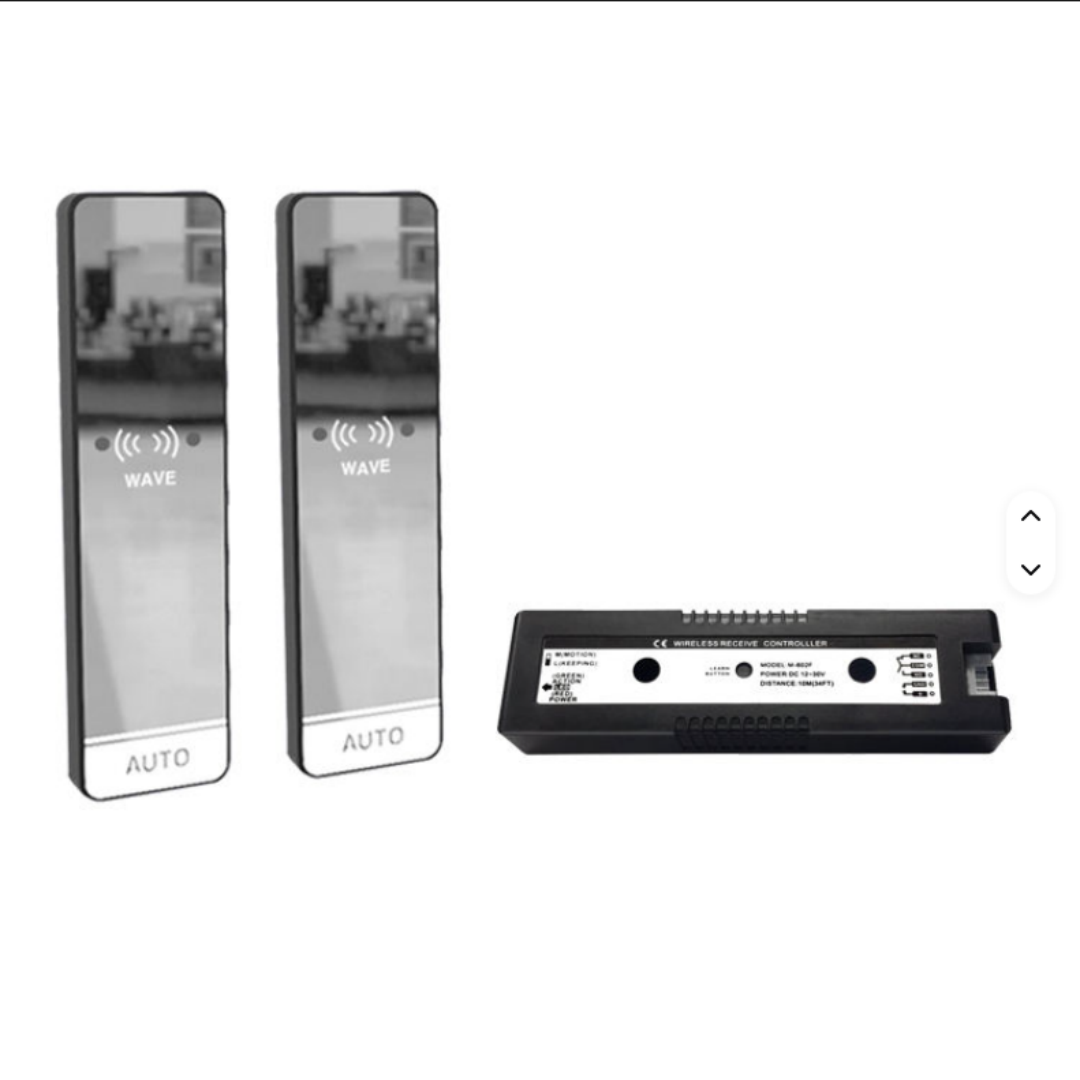
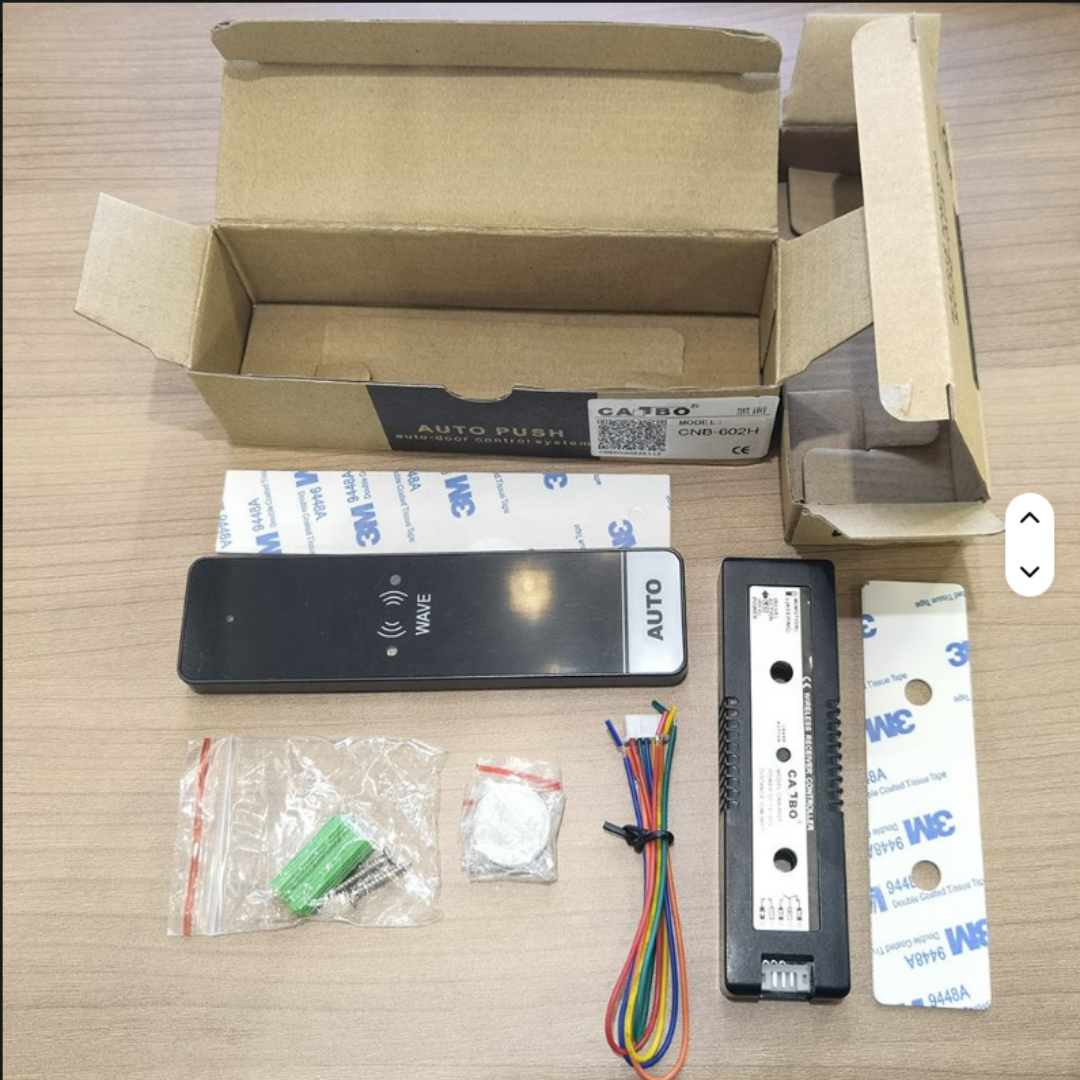
Paired with wireless controllers (e.g., the CNB-602H receiver), it can联动 (liándòng - linkage control) with automatic doors, lights, motors, etc., and supports "AUTO mode" (e.g., automatic delayed shutdown after sensing), enabling automated control.
III. Conclusion
With dual features of "contactless operation" and "wireless convenience," wireless hand sensor switches balance hygiene, efficiency, and adaptability. They are increasingly replacing traditional mechanical switches in scenarios demanding high efficiency, cleanliness, or intelligence, elevating overall spatial experience.
1.Q: What is a key advantage of wireless hand sensor switches in public spaces?
A: They reduce cross-infection risks via contactless (wave) operation, avoiding hand contact with shared surfaces.
2. Q: Where are wireless hand sensor switches commonly used in medical settings?
A: Operating rooms, wards, and restrooms—enabling sterile control of lights, doors, or equipment without physical contact.
3. Q: How does the wireless design benefit installation?
A: It eliminates wiring constraints, allowing flexible mounting on walls/glass and reducing renovation costs.
Recommended Products


up to dateMozambique Automatic Door Accessories
- Precision Synchronous Servo Motor for High-Speed Door – Worm Gear Reduction
- High Speed Door Fast Door Servo Motor Permanent Magnet AC-Synchronous Servo Motor with Worm Reductio
- High Speed Door Zippers Industrial Door Zippers
- High Speed Door Zippers Industrial Door Zippers
- 1.5KW Servo Motor & Control Box Set - High-Performance Drive System for Industrial Doors
- 0.75KW Servo Drive System for High-Speed Doors - Reliable & Energy-Efficient Solution
- 0.75KW Servo Motor Control Box Set – Efficient and Stable High-Speed Door Drive Solution
- AOK-AC123 Electric Curtain Wireless Remote / Wear-Resistant Acrylic Crystal Panel Remote
- Manufacturers Foot Pedal Activator Safety Beam Photocell Barrier Sensor For Medical Sliding Doors
- Safety photoelectric switch for high-speed door sensors
- Durable PVC Fast Rolling Door Fittings for Enhanced Security
- Automatic Repair of Zipper Door Plastic/Polymer Rails
- Smart Automatic Door Sensor for Fast Rolling Access Control
- Soft Fast Gate Control System 1.5kw Servo Motor and Control Box
- Automatic Access Control Square Surface Mount Infrared Non-Contact Switch
- Explosion-Proof Reinforced Self-Limiting Electric Heating Belt
- Explosion-Proof Shielded Self-Controlling Temperature Electric Heating Belt
- Heating Belt for Anti-Freezing, Heating and Heat Preservation of Cold Storage Doors
- 40W flame retardant explosion-proof self-limiting electric heating belt
- Safety Beam Sensor Use for Automatic Door
