

Principle of Flexible Door Fall Experiment
Tổng quan về cổng linh hoạt
The flexible gate is mainly composed of flexible materials (such as flexible fabrics, polymer materials, etc.) and supporting structures, which have the characteristics of light weight, strong flexibility and beautiful appearance.
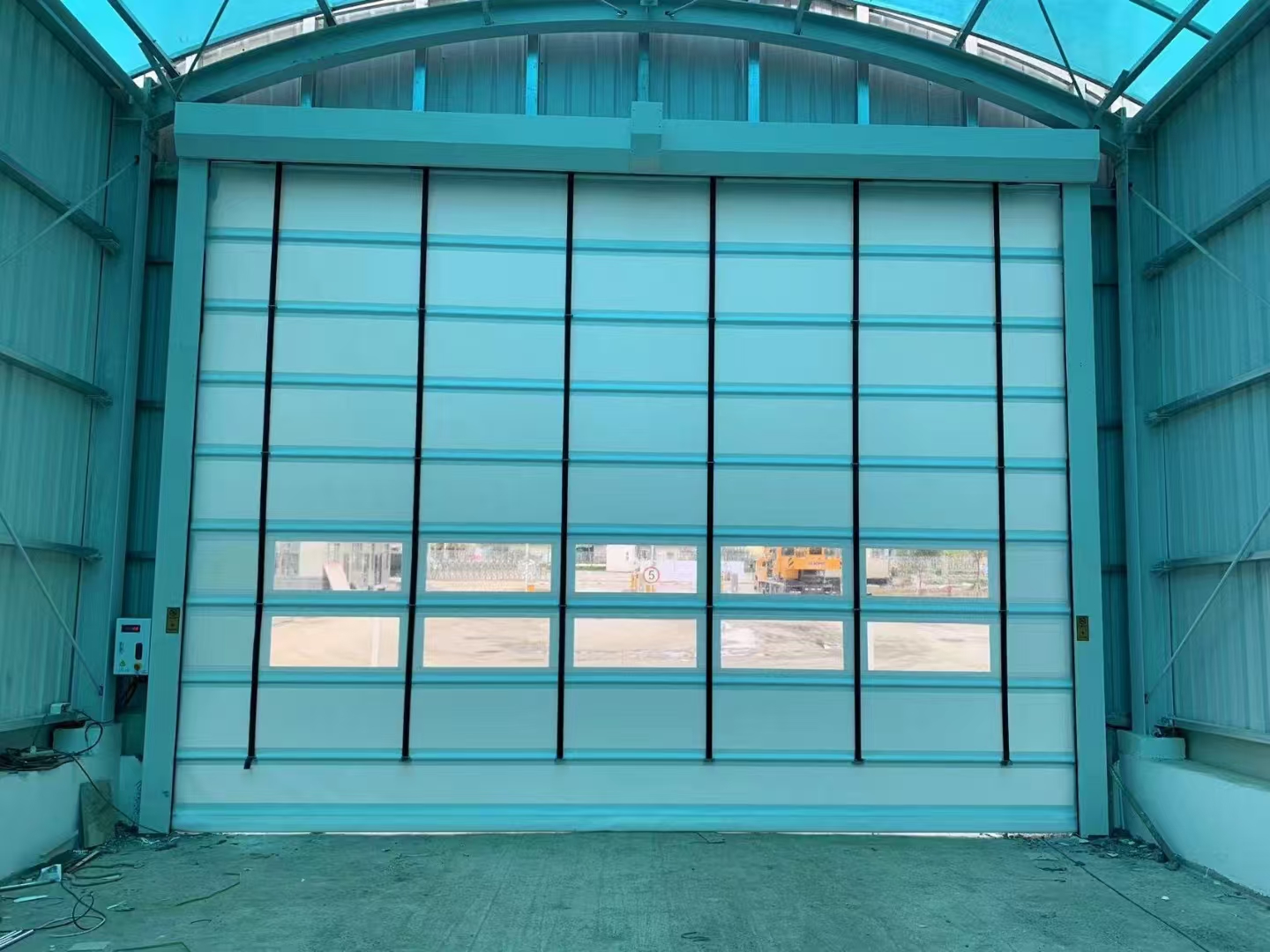
Principle of flexible door fall experiment
The flexible door fall test is an experiment that simulates the fall of the door under the action of external force in the real environment, and the experimental principle mainly includes the following aspects:
1. Kinetic principle: under the action of gravity, the flexible gate will produce downward acceleration, and then fall, through experiments, you can study the falling characteristics of the gate in different heights, different qualities, different materials, etc.
2. Principle of material mechanics: In the process of falling, the flexible gate material will bear the action of tension, compression, shear and other forces, resulting in stress and strain, through experiments, you can understand the mechanical properties and ultimate bearing capacity of the material.
3. Structural principle: The supporting structure of the flexible gate will play a key role in the falling process, and the stability of the supporting structure and the impact on the fall of the gate can be studied through experiments.
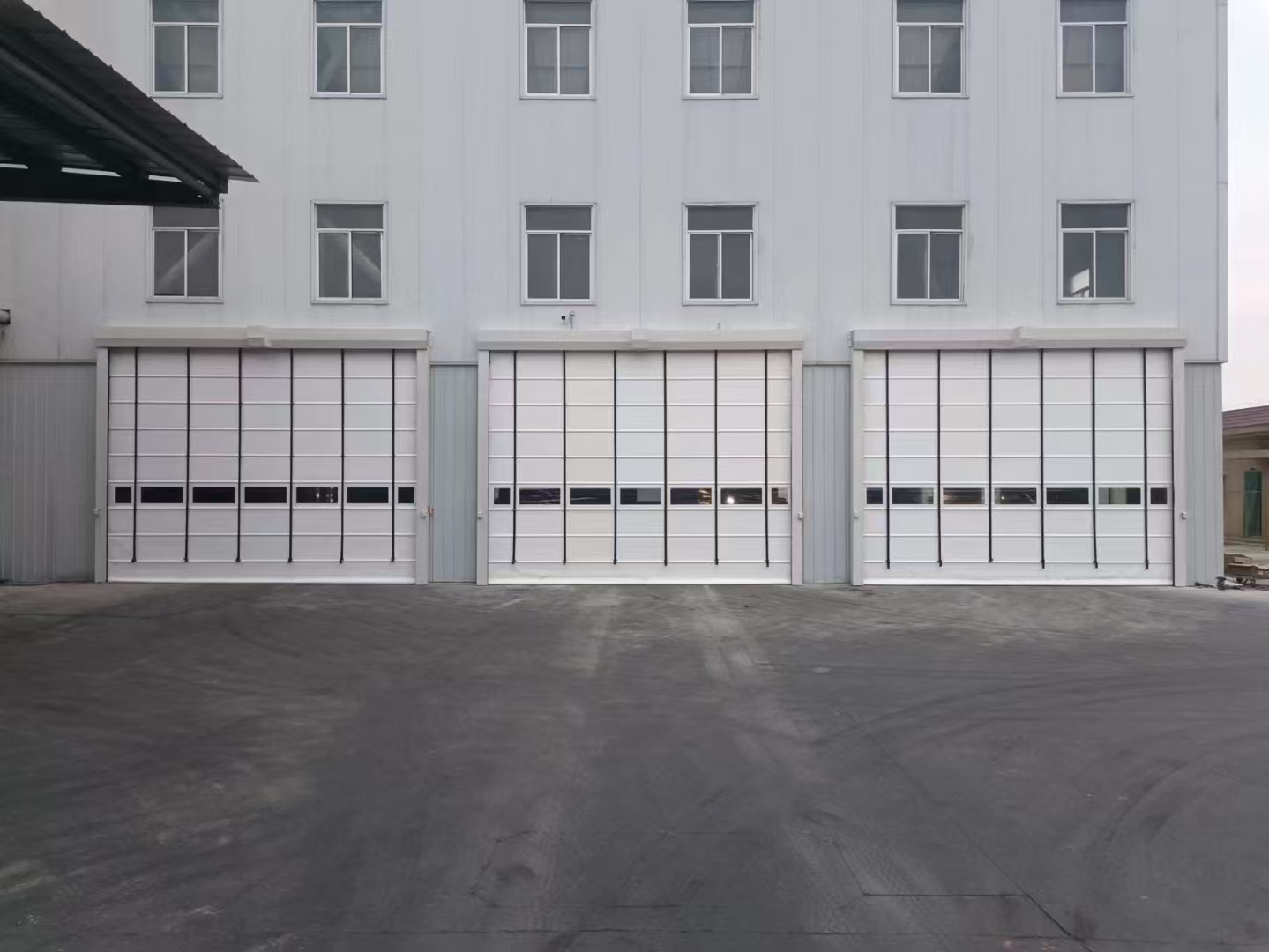
Flexible door fall experimental process
1. Experimental preparation: select a suitable experimental site, build an experimental platform, and prepare test instruments (such as accelerometers, force sensors, displacement meters, etc.).
2. Preparation of experimental samples: Prepare representative samples of flexible gates to ensure that the material, size, quality and other parameters of the samples meet the experimental requirements.
3. Experimental setup: install the sample on the experimental platform, connect the test instrument, and set the experimental parameters (such as falling height, falling angle, etc.).
4. Experimental operation: start the experimental equipment, record the experimental data, and observe the performance of the sample during the fall.
5. Data processing and analysis: process and analyze the experimental data and draw relevant conclusions.

Experimental results and discussion
1. Experimental results: Through experiments, the fall characteristics of the flexible gate under different conditions can be obtained, such as falling time, velocity, acceleration, stress and strain data.
2. Result analysis: The experimental data can be compared and analyzed, and the mechanical properties and ultimate bearing capacity of the flexible gate can be understood, and the influence of the supporting structure on the fall of the gate can be analyzed, so as to provide a basis for optimizing the design of the gate.
3. Discussion of results: Combined with the experimental results and related theories, the safety and stability of the flexible gate in practical application can be discussed, and the wind and seismic performance of the gate in different environments can be analyzed, so as to provide reference for architectural design and construction.
Through the exploration of the experimental principle of flexible gate falling, we can understand the importance of the experiment and its related principles, through the experiment, we can study the performance of the flexible door in the real environment, provide a basis for optimizing the door design, improve the awareness and understanding of the flexible door in the construction field, and promote its wide application in the construction field.
Đề xuất và triển vọng
1. Suggestion: In practical application, the appropriate flexible gate type and material should be selected according to the specific situation to ensure its safety and stability, the maintenance of the gate should be strengthened, and the performance of the gate should be checked regularly to ensure its normal operation.
2. Prospect: With the continuous progress of science and technology and the emergence of new materials, flexible doors will be more widely used, and the application of new materials in flexible doors can be further studied, the performance and quality of the doors can be improved, and the application of intelligent technology in flexible doors can be explored to realize the automatic control and management of gates.
Sản phẩm được đề nghị


mới nhấtPụ kiện cửa tự động
- Cảm biến cạnh an toàn cho bảo vệ chống nghiền cửa cuộn nhanh
- Bộ hộp điều khiển động cơ Servo tốc độ cao 0,75KW - Giải pháp lái xe đáng tin cậy và hiệu quả
- 1.5KW Servo Motor & hộp điều khiển kết hợp - Hệ thống truyền động hiệu quả cao cho cửa công nghiệp
- Dây kéo cửa công nghiệp & Dây kéo cửa tốc độ cao - Phụ kiện cửa công nghiệp bền
- Hệ thống Servo tốc độ cao 0,75KW - Giải pháp công nghiệp đáng tin cậy và tiết kiệm năng lượng
- Các nhà sản xuất Bộ kích hoạt bàn đạp chân & Cảm biến rào cản quang điện an toàn cho cửa trượt y tế
- Dây kéo cửa công nghiệp & Dây kéo cửa tốc độ cao - Phụ kiện cửa công nghiệp bền
- Điều khiển từ xa rèm điện AOK-AC123 - Thiết kế không dây với ngăn kính acrylic chống mài mòn
- Nam châm vĩnh cửu AC động cơ servo đồng bộ với cơ chế giảm sâu cho cửa tốc độ cao
- Động cơ Servo đồng bộ chính xác cho cửa tốc độ cao - Giảm bánh răng sâu
- Công tắc cảm biến hồng ngoại không thấm nước mới gắn trên bề mặt
- Phụ kiện cửa cán nhanh PVC bền để tăng cường bảo mật
- Tự động sửa chữa cửa Zipper Nhựa / Polymer Rails
- Cảm biến cửa tự động thông minh để kiểm soát truy cập nhanh
- Hệ thống điều khiển cổng nhanh mềm 1.5kw Servo Motor và hộp điều khiển
- Kiểm soát truy cập tự động Bề mặt vuông gắn hồng ngoại không tiếp xúc chuyển đổi
- Dây đai sưởi điện tự giới hạn chống cháy nổ
- Vành đai sưởi ấm bằng điện tự kiểm soát nhiệt độ chống cháy nổ
- Vành đai sưởi ấm để chống đóng băng, sưởi ấm và bảo quản nhiệt của cửa lưu trữ lạnh
- Dây đai sưởi điện tự giới hạn chống cháy 40W
