

Guide to Choosing Curtain Thickness for High-Speed Doors: A Comprehensive Analysis of 0.8mm, 1.2mm,
1. How Curtain Thickness Affects High-Speed Door Performance
The thickness of the curtain is a key factor determining a high-speed door’s wind resistance, sealing capability, durability, and operational efficiency. Different thicknesses are suitable for different environments and requirements:
Wind resistance: Thicker curtains offer better wind resistance.
Durability: Thicker curtains are more wear-resistant and have a longer lifespan.
Operating speed: Thinner curtains are lighter, allowing faster opening and closing.
Insulation and soundproofing: Increased thickness improves thermal insulation and noise reduction.
2. 0.8mm Curtain: Lightweight and Efficient
Features
Lightweight, enabling fast operation, ideal for high-frequency use.
Lower cost, suitable for budget-conscious applications.
Moderate wind resistance, best for indoor or low-wind environments.
Key Parameters
Material: High-density PVC or polyester fabric
Wind resistance rating: ≤ Level 7
Operating temperature range: -20°C to 60°C
Recommended speed: 1.5–2.5 m/s
Applications
Indoor warehouse partitions
Light-duty logistics passages
Internal dividers in food processing areas
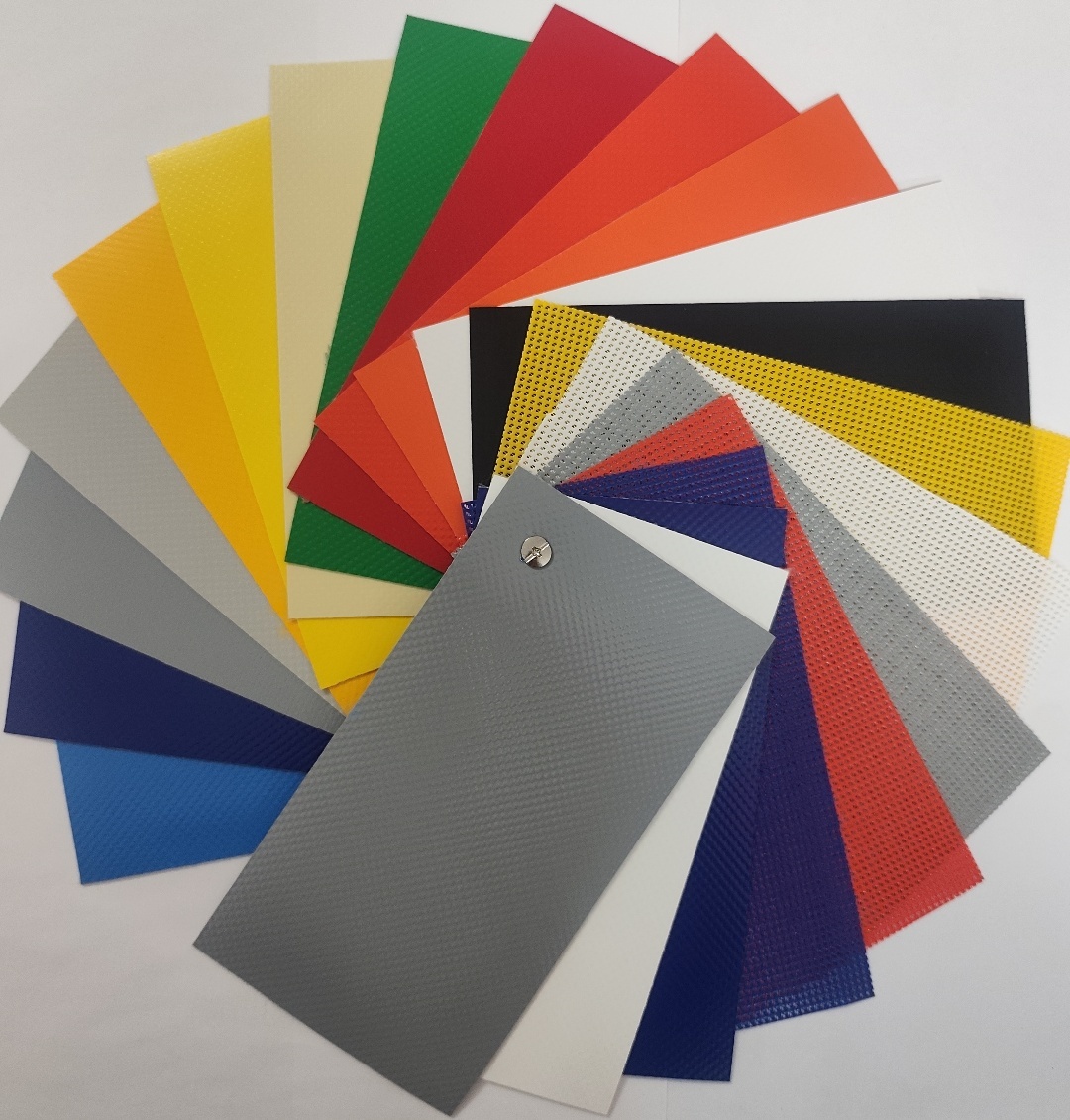
3. 1.2mm Curtain: The Balanced Choice
Features
Offers a balance between speed and strength, suitable for most industrial environments.
Better wind resistance and durability than 0.8mm, ideal for moderate wind conditions.
Cost-effective and widely used in the market.
Key Parameters
Material: Reinforced PVC or composite fabric
Wind resistance rating: ≤ Level 9
Operating temperature range: -25°C to 65°C
Recommended speed: 1.2–2.0 m/s
Applications
Logistics distribution centers
Entrance/exit for light industrial facilities
Supermarket cold storage doors
4. 1.5mm Curtain: High Wind Resistance and Durability
Features
Strong wind resistance, suitable for outdoor or high-wind environments.
Excellent wear resistance, ideal for high-frequency industrial use.
Better insulation and soundproofing than 1.2mm.
Key Parameters
Material: Thickened PVC or polyurethane-coated fabric
Wind resistance rating: ≤ Level 10
Operating temperature range: -30°C to 70°C
Recommended speed: 1.0–1.8 m/s
Applications
Outdoor loading docks
Large warehouse entrances/exits
Cleanrooms in chemical or pharmaceutical industries
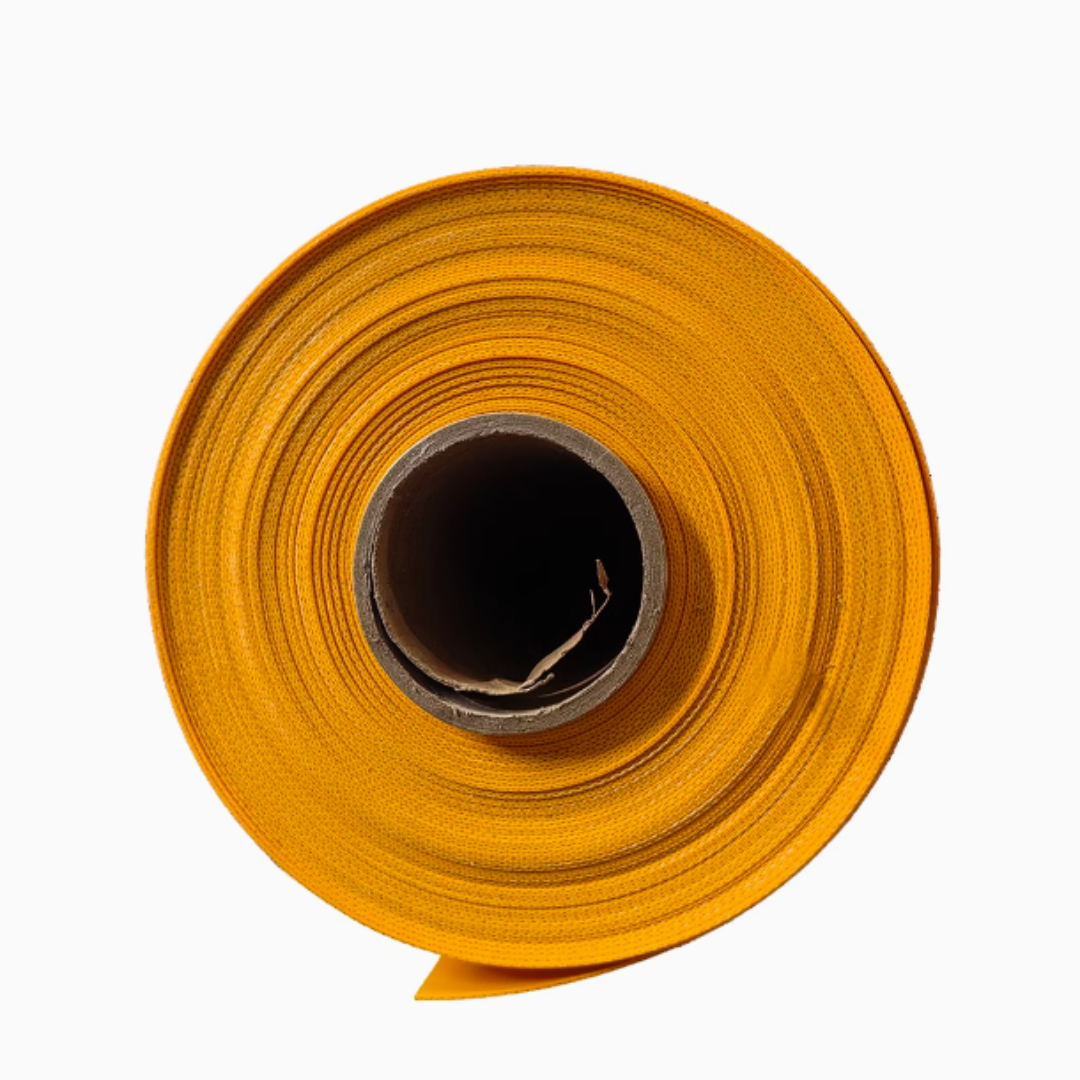
5. 2.0mm Curtain: Maximum Protection
Features
Highest wind and impact resistance, designed for extreme conditions.
Superior durability, suitable for heavy industrial use.
Best insulation and soundproofing, but slightly slower operation.
Key Parameters
Material: Multi-layer composite or rubber-reinforced PVC
Wind resistance rating: ≥ Level 11
Operating temperature range: -40°C to 80°C
Recommended speed: 0.8–1.5 m/s
Applications
Port and dock logistics doors
Freezer rooms and high-temperature workshops
Food processing plants with strict dust/insect control
6. How to Choose the Right Curtain Thickness?
Consider the following factors when selecting curtain thickness:
Environment: Outdoor or high-wind areas require 1.5mm or 2.0mm.
Frequency of use: High-frequency operations benefit from 1.2mm or 1.5mm.
Insulation/soundproofing needs: Thicker curtains (1.5mm+) perform better.
Budget: 0.8mm and 1.2mm are more cost-effective for limited budgets.
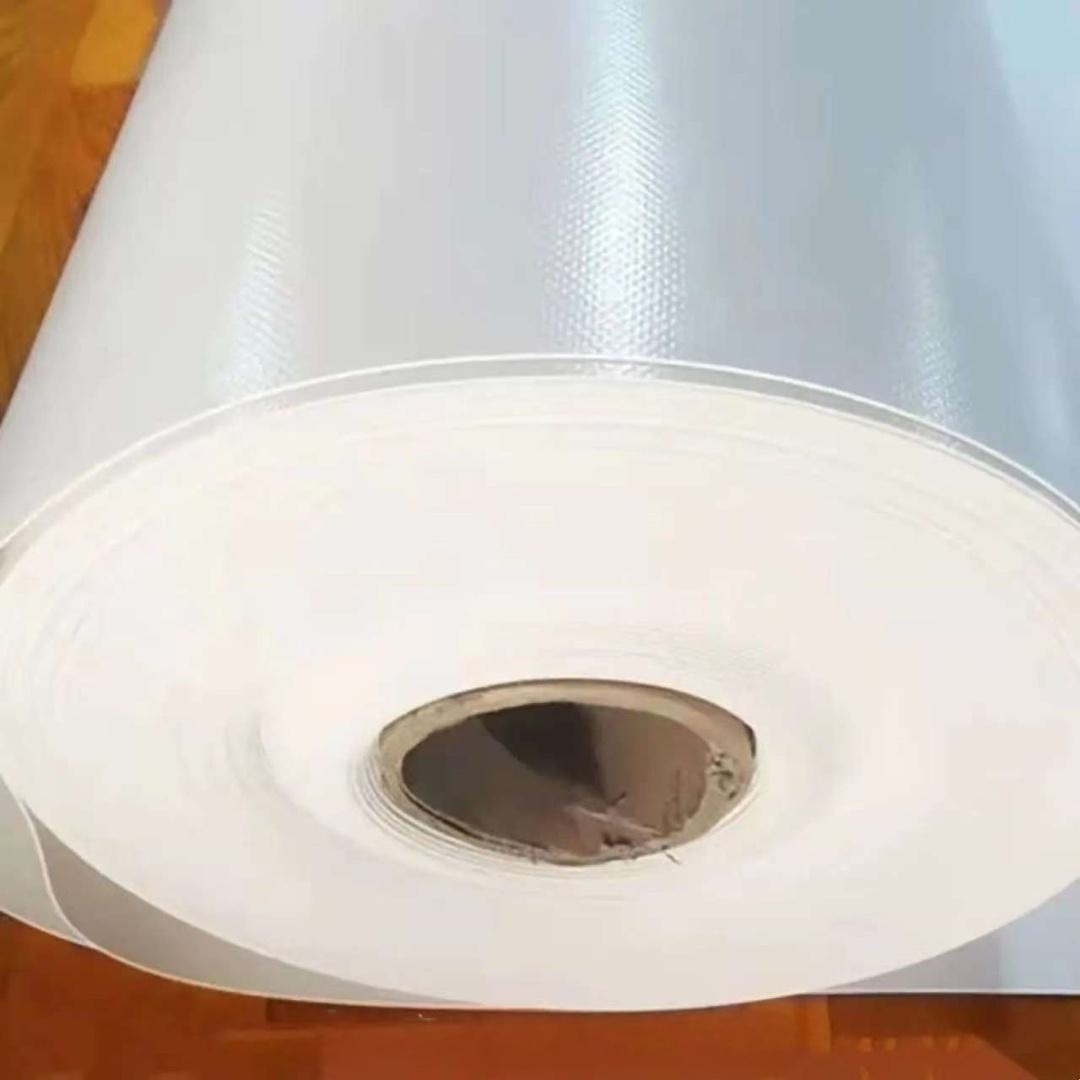
7. Frequently Asked Questions (FAQ)
Q1: Is a thicker curtain always better?
Not necessarily. The ideal thickness depends on specific needs. Excessively thick curtains may reduce speed and strain the motor, making them suitable only for high-wind scenarios. For indoor use, 1.2mm is often sufficient.
Q2: Which is better, PVC or polyester fabric curtains?
PVC curtains are cost-effective and waterproof, ideal for general industrial use. Polyester fabric offers higher strength and wear resistance, making it better for high-frequency applications.
Q3: Do high-speed door curtains require regular maintenance?
Yes. Regular cleaning and inspection for damage or deformation ensure smooth operation and proper sealing.
Q4: Does curtain thickness affect the door’s lifespan?
Yes. Thicker curtains resist wind and wear better, extending lifespan, but require compatible motor and track systems.
Q5: How do I know when to replace a curtain?
Visible cracks, deformation, or operational issues indicate aging. Prompt replacement prevents safety hazards.
By understanding these factors, you can select the most suitable curtain thickness for your high-speed door, optimizing performance, efficiency, and longevity.
Recommended Products


up to dateMadagascan Automatic Door Accessories
- Safety Edge Sensor for Rapid Roll Door Anti-Crushing Protection
- High-Speed Door 0.75KW Servo Motor Control Box Set – Reliable & Efficient Drive Solution
- 1.5KW Servo Motor & Control Box Combination - High-Efficiency Drive System for Industrial Doors
- Industrial Door Zippers & High Speed Door Zippers - Durable Industrial Door Accessories
- 0.75KW High-Speed Door Servo Drive System - Reliable & Energy-Saving Industrial Solution
- Manufacturers Foot Pedal Activator & Safety Beam Photocell Barrier Sensor for Medical Sliding Doors
- Industrial Door Zippers & High Speed Door Zippers - Durable Industrial Door Accessories
- AOK-AC123 Electric Curtain Remote Control - Wireless Design with Wear-Resistant Acrylic Crystal Pane
- Permanent Magnet AC Synchronous Servo Motor with Worm Reduction Mechanism for High Speed Door
- Precision Synchronous Servo Motor for High-Speed Door – Worm Gear Reduction
- Durable PVC Fast Rolling Door Fittings for Enhanced Security
- Automatic Repair of Zipper Door Plastic/Polymer Rails
- Smart Automatic Door Sensor for Fast Rolling Access Control
- Soft Fast Gate Control System 1.5kw Servo Motor and Control Box
- Automatic Access Control Square Surface Mount Infrared Non-Contact Switch
- Explosion-Proof Reinforced Self-Limiting Electric Heating Belt
- Explosion-Proof Shielded Self-Controlling Temperature Electric Heating Belt
- Heating Belt for Anti-Freezing, Heating and Heat Preservation of Cold Storage Doors
- 40W flame retardant explosion-proof self-limiting electric heating belt
- Safety Beam Sensor Use for Automatic Door
